7-Step Home Pest Prevention Checklist: Stop Pests Before They Start
The best pest control is the kind you never have to think about. This practical checklist walks you through 7 proven steps to seal, clean, and protect your home — no chemicals required.
Why Prevention Beats Extermination
Reactive pest control is expensive, disruptive, and often temporary. A single female mouse can produce up to 60 offspring per year. Bed bugs can survive months without feeding. Prevention — done consistently — breaks the cycle before it starts.
The 7-Step Pest Prevention Checklist
✅ Step 1 — Seal Every Entry Point
- Inspect the exterior for gaps around pipes, vents, and utility lines
- Seal cracks in the foundation with caulk or steel wool + foam
- Install door sweeps on all exterior doors
- Cover attic vents and crawl space openings with fine metal mesh
Key fact: mice can squeeze through a gap the size of a dime (about 6mm).
✅ Step 2 — Eliminate Food and Water Sources
- Store dry goods (grains, pet food) in airtight containers
- Fix leaky faucets and pipes — standing water attracts cockroaches and rodents
- Empty pet water bowls overnight
- Clean up crumbs and spills immediately, especially behind appliances
✅ Step 3 — Declutter and Reduce Harborage
- Remove cardboard boxes from basements and garages (prime nesting material)
- Keep firewood stacked at least 20 feet from the house
- Trim shrubs and tree branches away from the roofline
- Clear leaf piles and debris from the perimeter
✅ Step 4 — Deploy Ultrasonic Pest Repellers
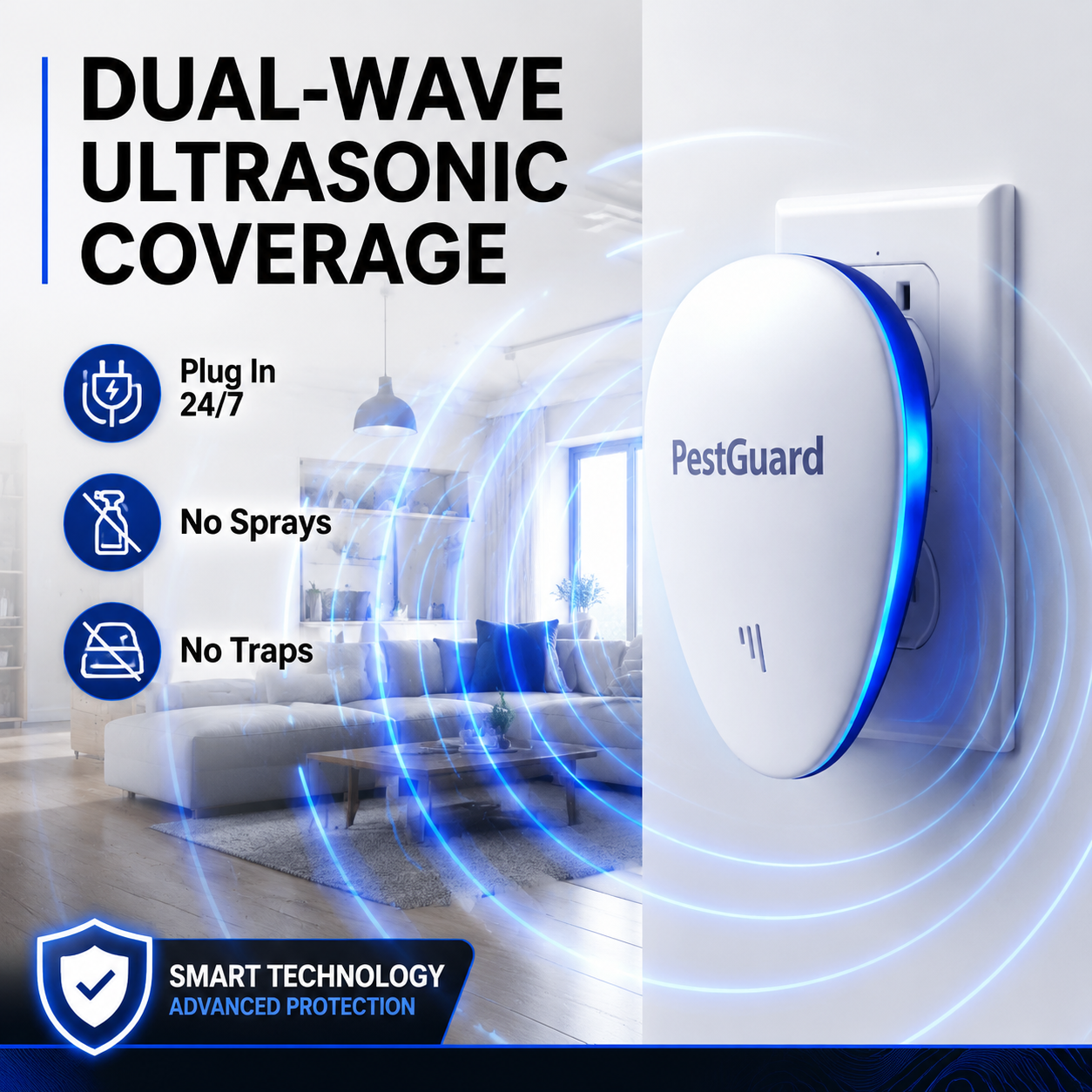
Ultrasonic repellers emit high-frequency sound waves (20–65 kHz) that disrupt the nervous system of rodents and insects, discouraging them from nesting in treated areas. They're chemical-free, safe for kids and pets, and work 24/7 passively.
Best placement zones:
- Attic access points and crawl spaces
- Kitchen and pantry areas
- Garage and basement corners
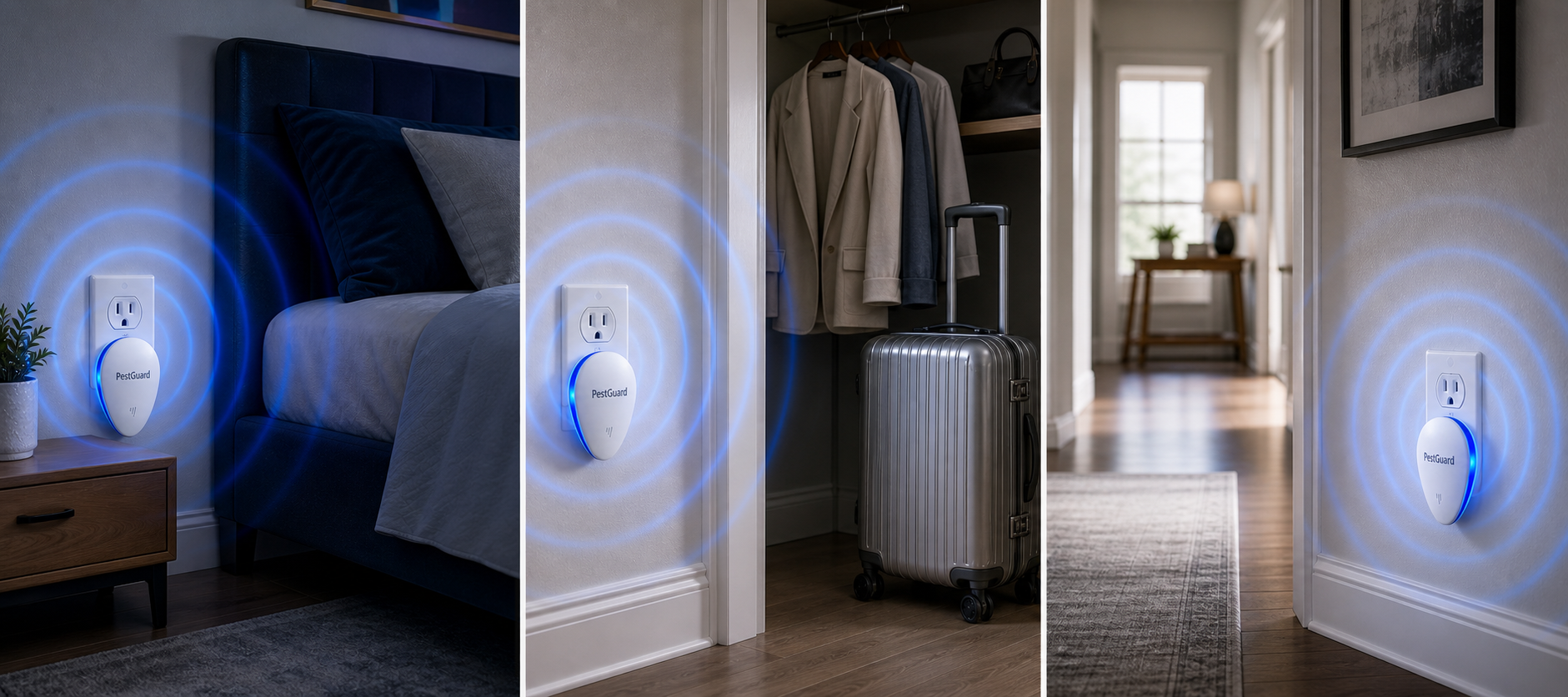
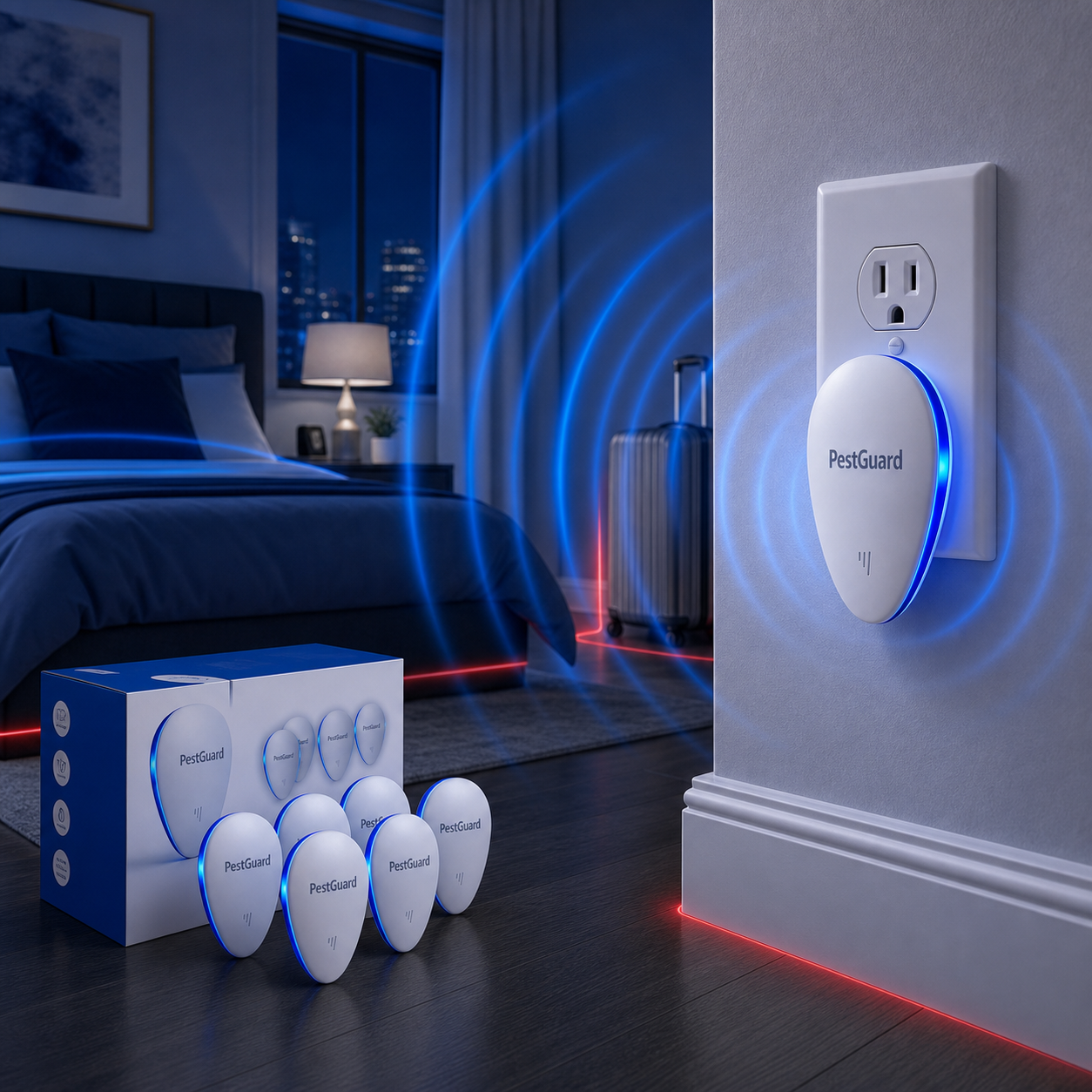
👉 Pest Guard™ 2026 Upgraded Ultrasonic Pest Repeller — plug-in design, covers up to 1,200 sq ft per unit, no refills or chemicals needed.
✅ Step 5 — Inspect Bedding and Furniture Regularly
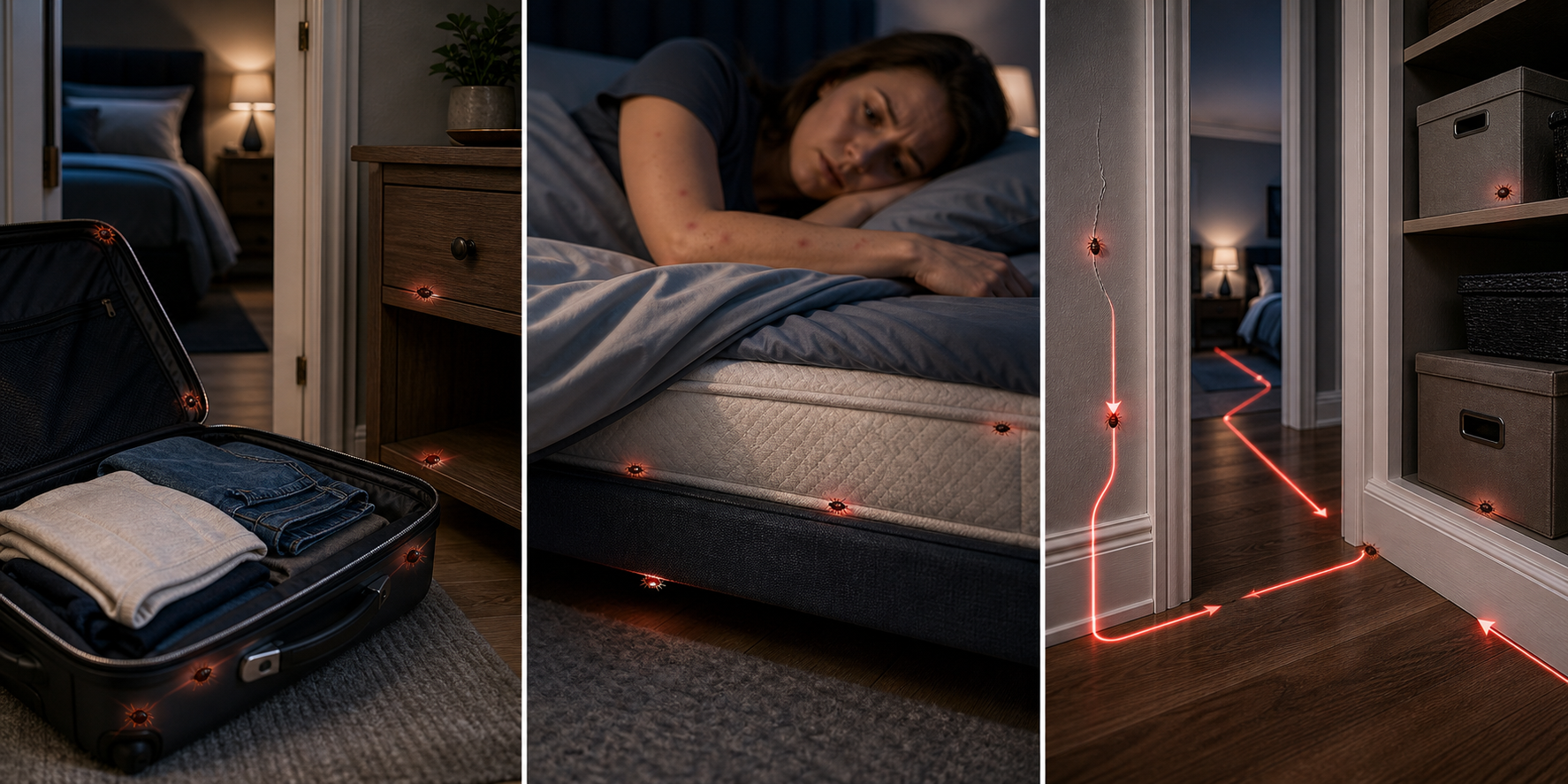
- Check mattress seams and box springs monthly for bed bug signs (rust-colored spots, shed skins)
- Wash bedding at 60°C (140°F) or higher every 2 weeks
- Use mattress encasements as a passive barrier
- Inspect secondhand furniture before bringing it indoors
✅ Step 6 — Manage Outdoor Attractants
- Use lidded trash cans and take bins out the morning of collection, not the night before
- Clean BBQ grills after every use
- Remove bird feeders or place them far from the house (spilled seed attracts rodents)
- Keep compost bins sealed and away from the foundation
✅ Step 7 — Schedule Seasonal Inspections
- Spring: Check for overwintering insects emerging from walls
- Fall: Rodent-proof before cold weather drives them indoors
- Year-round: Monthly 10-minute walkthrough of attic, basement, and perimeter
👉 Pest Guard™ 2026 Upgraded Ultrasonic Pest Repeller — set it up once per season and let it run continuously.
Apartment-Specific Tips
Living in a multi-unit building means pests can migrate from neighboring units. Extra steps:
- Seal gaps around pipes under the sink and behind the stove
- Report any pest sightings to building management immediately
- Place repellers near shared walls and utility closets
- Use door draft stoppers to block ground-level entry
FAQ — People Also Ask
How often should I do a pest prevention inspection?
A monthly 10-minute walkthrough of key areas (attic, basement, kitchen, perimeter) is sufficient for most homes. Increase to bi-weekly during fall when rodents seek warmth indoors.
Are ultrasonic pest repellers safe for dogs and cats?
Yes. Ultrasonic repellers designed for rodent and insect control operate at frequencies above the hearing range of dogs and cats. They are chemical-free and do not pose a health risk to household pets.
What's the most common pest entry point in homes?
Gaps around utility pipes and conduits are the #1 entry point, followed by foundation cracks and unsealed vents. These are also the easiest to fix with basic hardware store materials.
Can I prevent pests without using chemical sprays?
Absolutely. Physical exclusion (sealing entry points), sanitation (removing food/water sources), and ultrasonic repellers form a complete chemical-free prevention system that works for most common household pests.
Bottom Line
Pest prevention doesn't require expensive treatments or toxic chemicals. Seal the gaps, cut off the food supply, and add a layer of passive ultrasonic deterrence. Run through this checklist once a season and you'll stay ahead of 90% of common household pest problems.