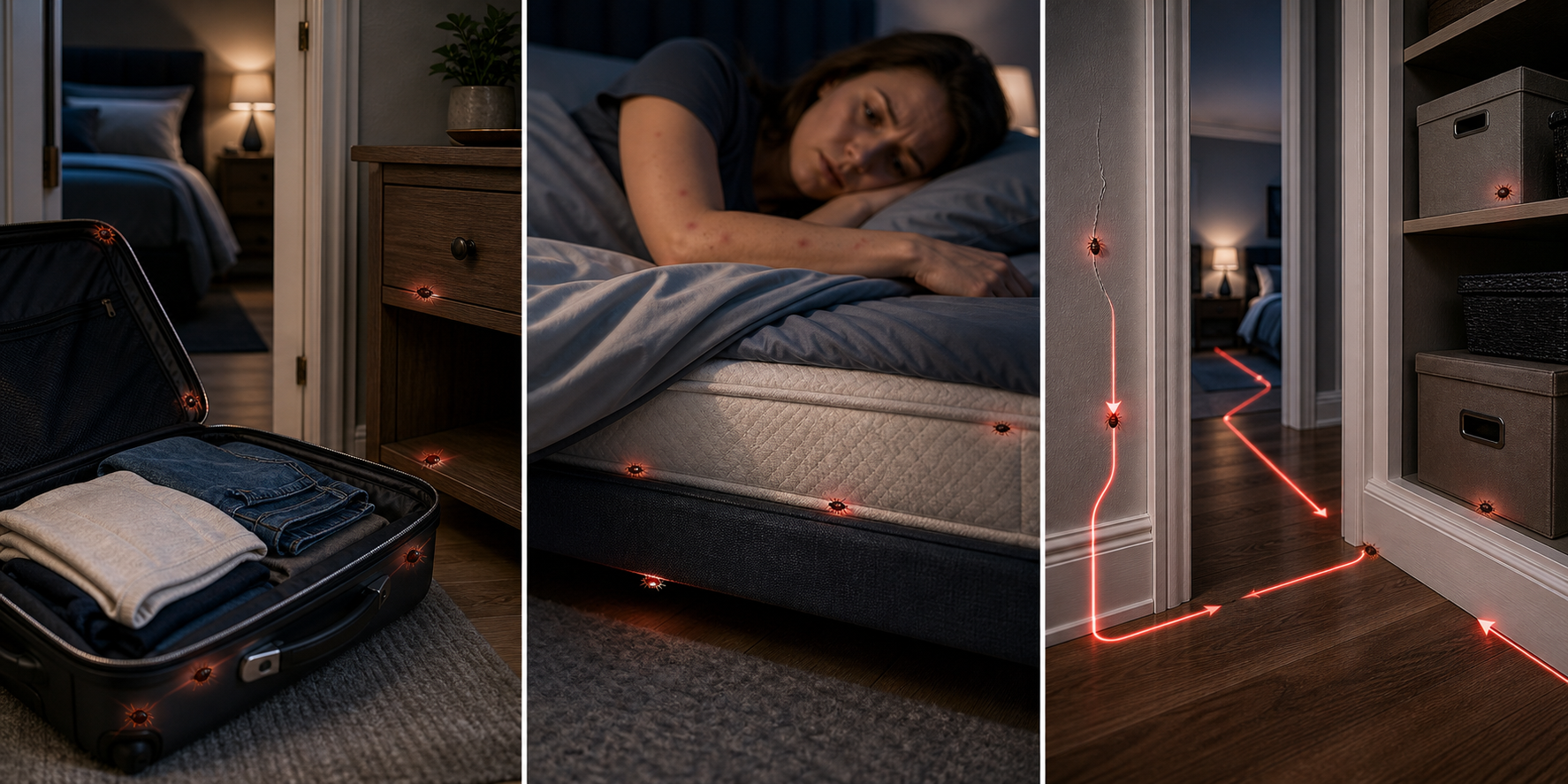
Hearing scratching, scurrying, or tapping sounds from your attic or walls at night? You're not alone — and it's not something to ignore. These noises usually mean unwanted guests have moved in. Here's how to identify the source and take action.
What's Making That Noise?
- Mice & Rats — Light scratching and scurrying, mostly at night. May chew wiring.
- Squirrels — Daytime activity, heavier thumping sounds.
- Bats — Fluttering at dusk, high-pitched squeaks.
- Insects (roaches, carpenter ants) — Faint rustling inside walls.
5-Step Identification Checklist
- Note the timing — Nighttime = rodents; daytime = squirrels or birds.
- Check for droppings — Rice-sized pellets near walls or in the attic = mice.
- Inspect entry points — Gaps around pipes, vents, roof edges, and foundation cracks.
- Look for damage — Chewed wires, gnawed wood, or shredded insulation.
- Take action — Seal entry points + deploy an ultrasonic repeller for ongoing protection.
Why Ultrasonic Repellers Work
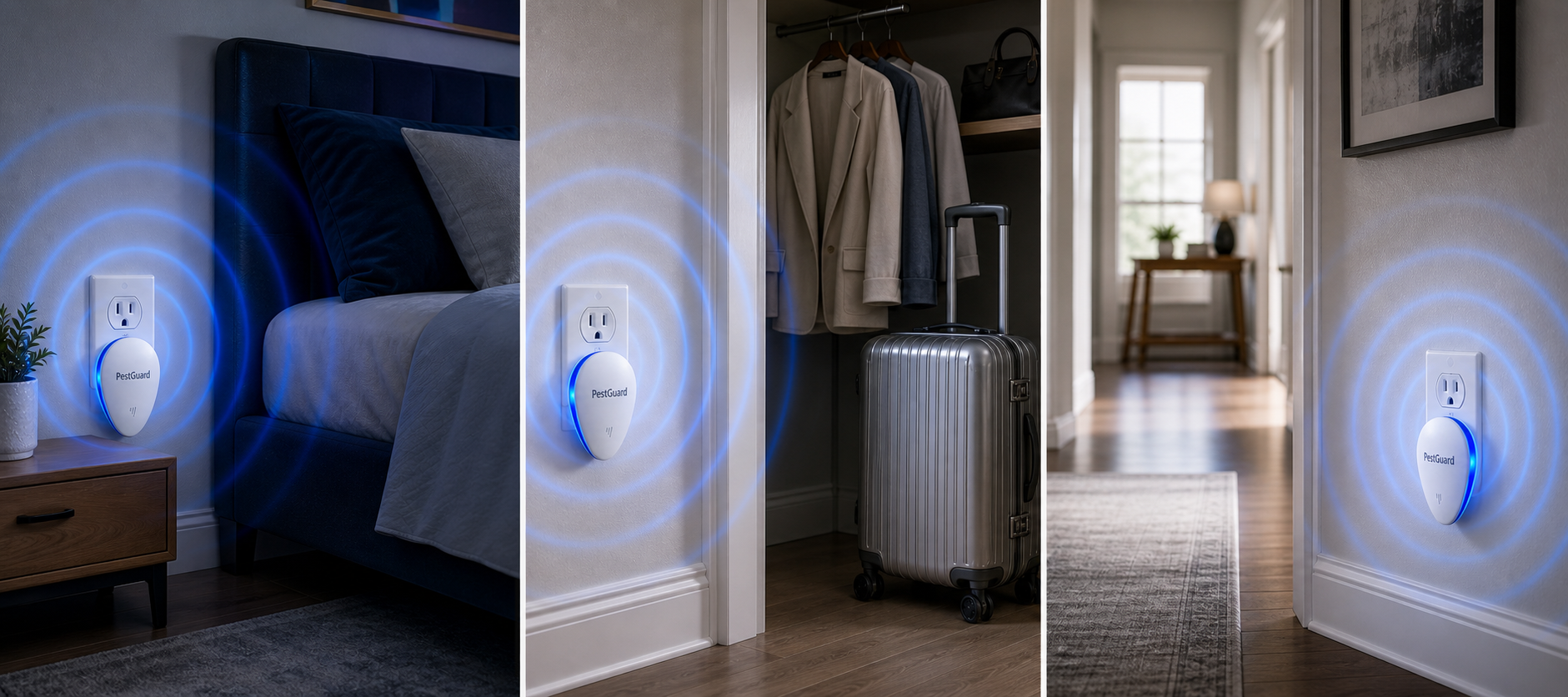
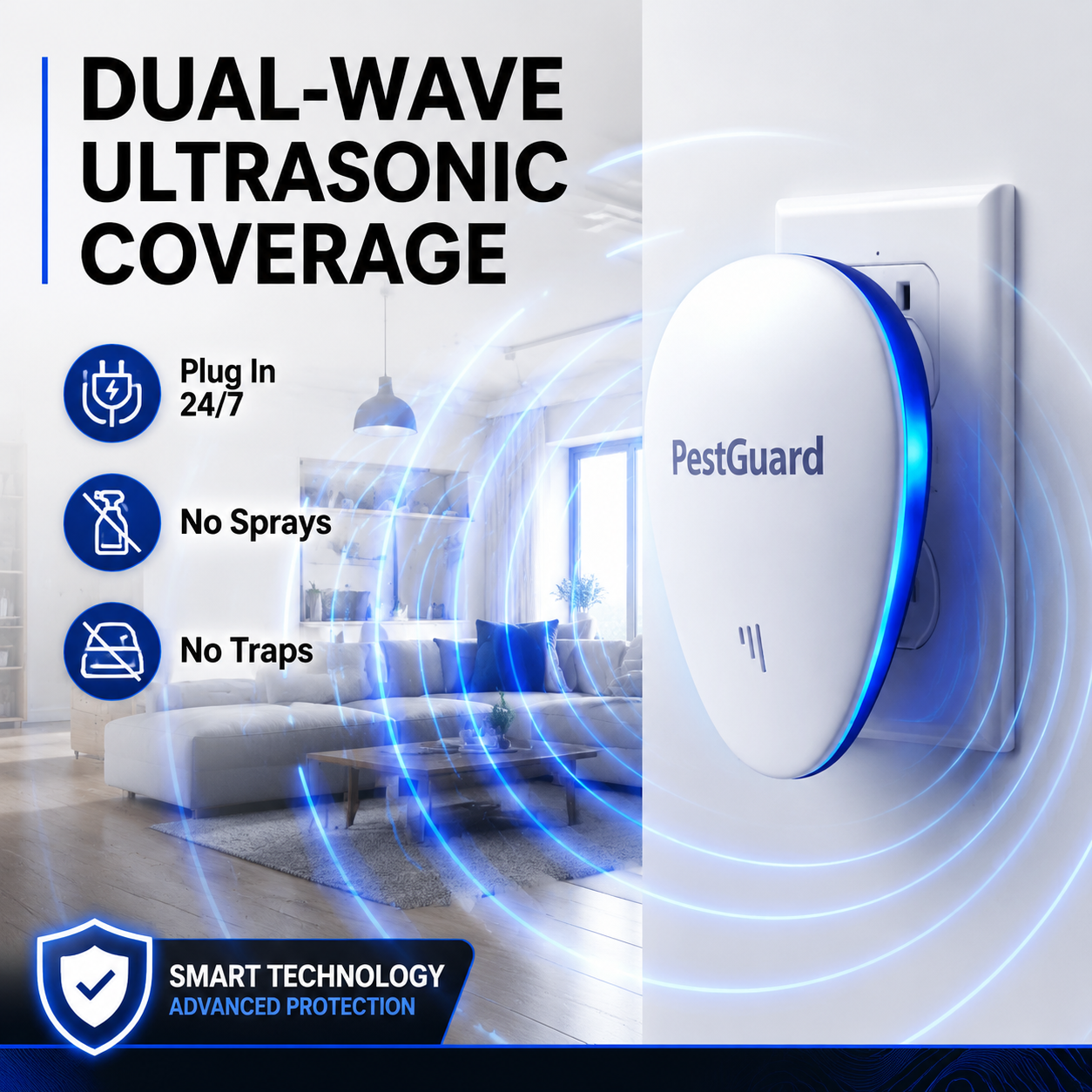
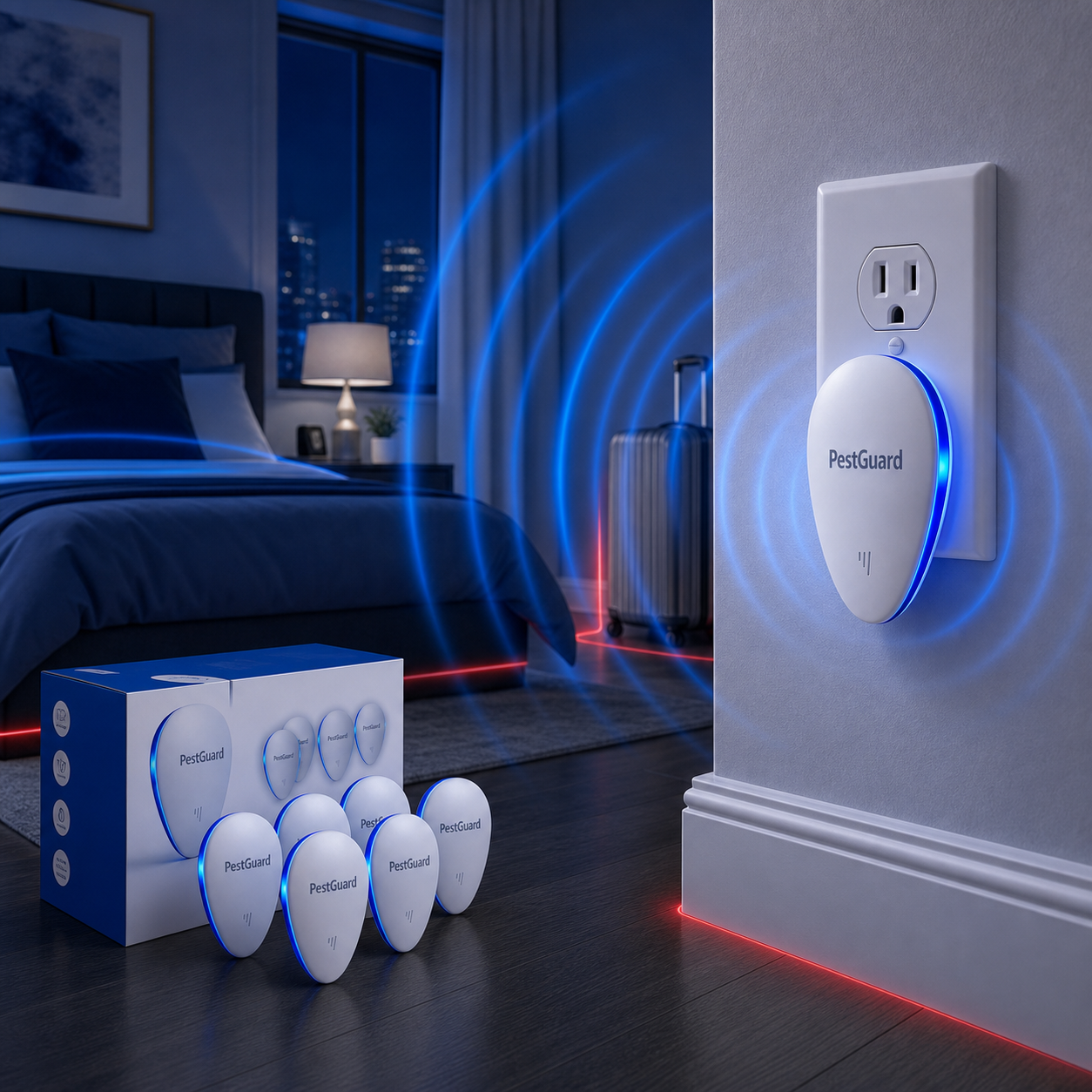
Unlike traps or chemicals, ultrasonic repellers are 100% chemical-free and safe around children and pets. The Pest Guard™ 2026 Ultrasonic Pest Repeller cycles through multiple frequencies to prevent pests from adapting.
For full-home coverage, place units in key areas — attic access points, basements, and kitchens. Each unit covers approximately 800–1,200 sq ft. Shop Pest Guard™ now.
Frequently Asked Questions
What causes scratching sounds in the attic at night?
Nighttime scratching is most commonly caused by mice or rats. Check for droppings and entry points to confirm.
Are ultrasonic pest repellers safe for dogs and cats?
Yes. Pest Guard™ operates at frequencies safe for household pets including dogs and cats.
How long until the ultrasonic repeller works?
Most users see reduced pest activity within 2-3 weeks of continuous use.
Bottom Line
Don't ignore attic noises — they can lead to wiring damage, contamination, and costly repairs. Use the 5-step checklist above to identify the problem, seal entry points, and add a Pest Guard™ ultrasonic repeller for chemical-free, ongoing protection.