When it comes to pest control, homeowners often face a key decision: should you go with ultrasonic repellers, traditional traps, or call a professional? This guide breaks down each method so you can choose what actually fits your situation.
Table of Contents
How Each Method Works
Ultrasonic Pest Repellers
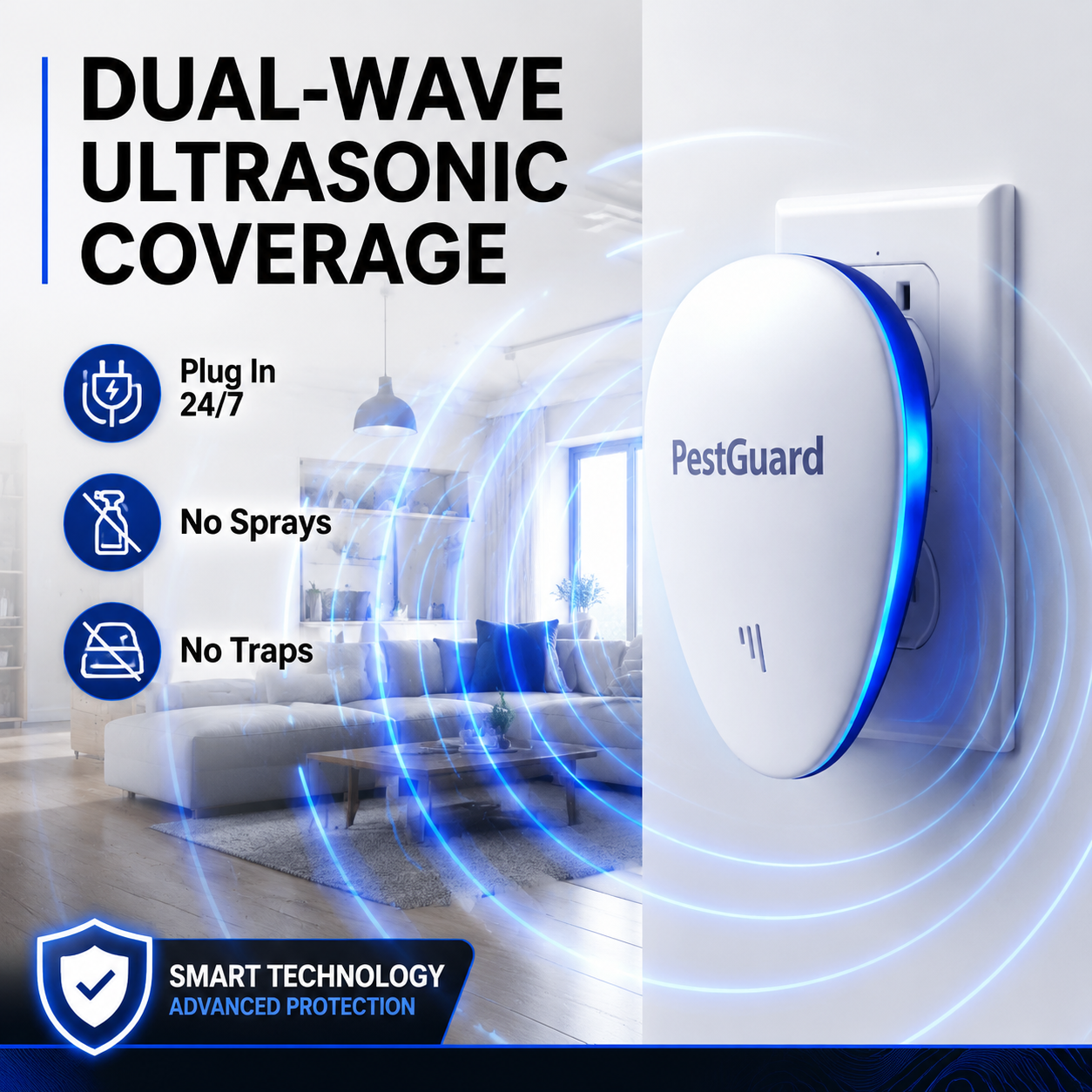
These plug-in devices emit high-frequency sound waves (20,000–65,000 Hz) that interfere with pests' nervous systems, driving them away without chemicals or traps.
- ✅ No chemicals, no odor
- ✅ Safe around kids and most pets
- ✅ Low ongoing cost — plug in and forget
- ❌ Sound waves can be blocked by walls and furniture
- ❌ Takes 3–14 days to show results
Traditional Traps (Snap, Glue, Live)
Physical traps catch or kill pests on contact. Effective for targeted removal but require regular checking and disposal.
- ✅ Immediate, visible results
- ✅ No chemicals needed
- ❌ Requires frequent monitoring and disposal
- ❌ Not scalable for large infestations
Professional Exterminator
Licensed pest control services assess your home, identify entry points, and apply targeted treatments. Best for severe or recurring infestations.
- ✅ Comprehensive assessment and treatment
- ✅ Handles large or complex infestations
- ❌ Higher cost ($150–$500+ per visit)
- ❌ Chemical exposure during treatment
Side-by-Side Comparison
| Scenario | Ultrasonic | Traps | Professional |
|---|---|---|---|
| Kids & pets at home | ◎ Best choice | △ Use with caution | △ Chemical risk |
| Apartment / rental | ◎ No damage | ○ OK | ○ Landlord may cover |
| Heavy infestation | △ Supplement only | ○ Partial fix | ◎ Recommended |
| Prevention / early stage | ◎ Ideal | △ Reactive only | ✕ Overkill |
| Long-term cost | ◎ Low | ○ Moderate | ❌ High |
When to Use Each Method
- You have kids or pets at home → Ultrasonic repeller first
- You've spotted 1–2 rodents or insects → Traps + ultrasonic combo
- Active infestation with nesting signs → Call a professional, add ultrasonic after
- No current problem, just want prevention → Ultrasonic is all you need
The smart approach: start with ultrasonic for prevention, layer in traps if you spot activity, and bring in a pro only when the situation is beyond DIY.
👉 Shop Pest Guard™ Ultrasonic Repeller
Frequently Asked Questions
Are ultrasonic pest repellers safe for dogs and cats?
Most ultrasonic repellers are designed at frequencies that dogs and cats are not sensitive to. However, small animals like hamsters or rabbits may be affected. Always check the product specs before use.
Can I use ultrasonic repellers and traps at the same time?
Yes. Using both together is a common and effective strategy — traps handle existing pests while ultrasonic devices deter new ones from entering.
How long does it take for ultrasonic repellers to work?
Most users notice behavioral changes in pests within 3–14 days. If results are slow, try repositioning the device to an open area without obstructions.
Do ultrasonic repellers work through walls?
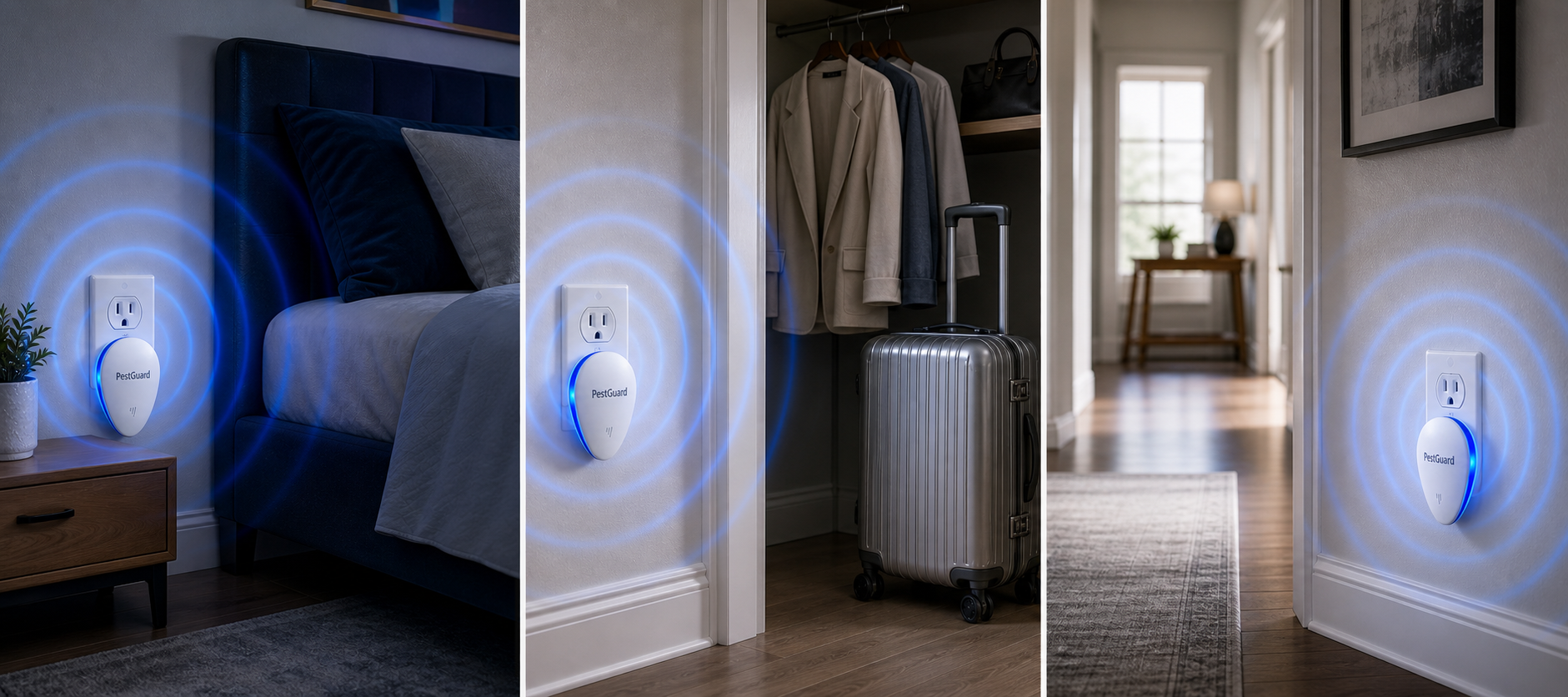
No — sound waves do not penetrate solid walls effectively. For multi-room coverage, use one device per room for best results.
👉 Pest Guard™ — Safe, Chemical-Free Pest Control