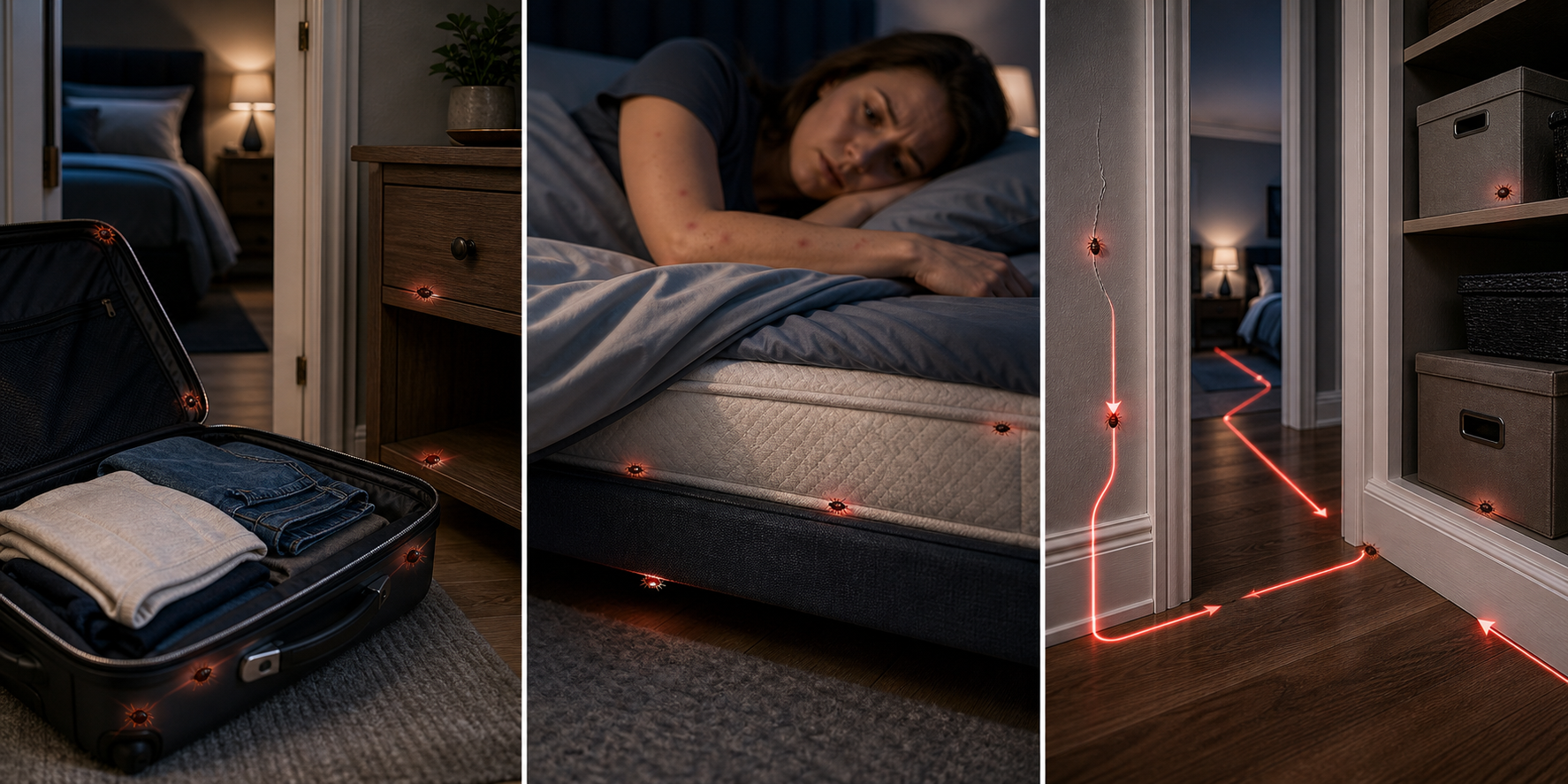
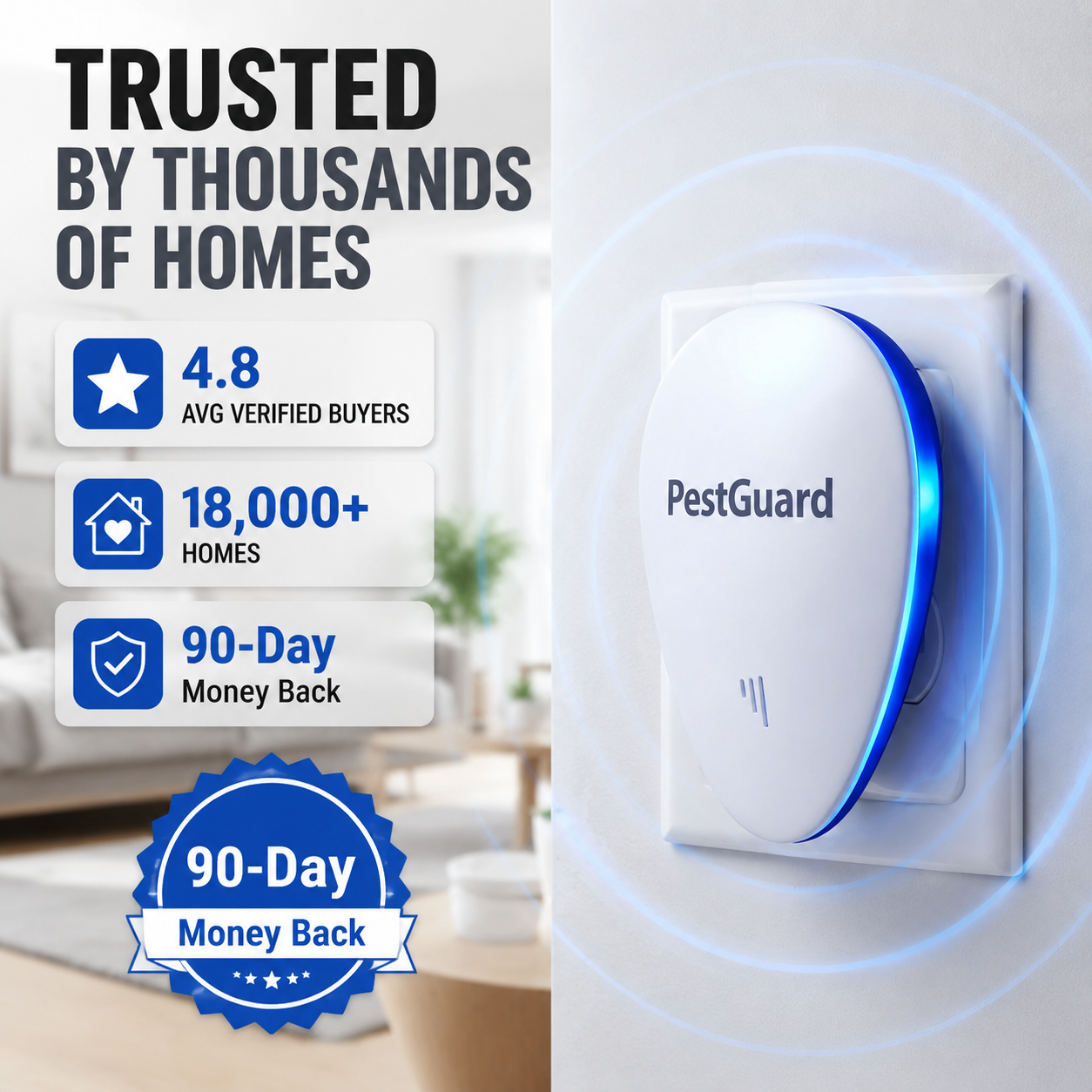
Hotels, luggage, secondhand furniture, and shared walls. They hitchhike, so clean homes can still be affected.
Bedroom Pest Report
PestGuard Home Protection ReportUpdated Today · 9 minute read
Bedroom Pest Report
The Bed Bug Problem Most People Miss: They Treat What They See, But Leave the Room Unprotected Every Night
If you’ve already sprayed, cleaned, washed the sheets, or checked the mattress but still do not feel safe sleeping, the problem may not be your effort. It may be the setup.
This report follows the same practical structure used by strong advertorial landing pages: start with the real bedroom panic, explain why common fixes feel temporary, then show the room-by-room method before asking you to choose a product setup.

Most people do the reasonable thing first.
They wash the sheets. They spray the corner. They vacuum. They check the mattress seam with a flashlight. They tell themselves it was probably nothing.
Then night comes.
Suddenly the bedroom does not feel like a bedroom. It feels like a place you have to inspect before you can rest.
The pattern we see again and again: people focus on the one bug, one bite, or one suspicious spot they can see. But the anxiety comes from the room itself no longer feeling protected.
The first mistake: treating the visible sign like it is the whole problem
Seeing a possible bed bug sign creates a very specific kind of panic because the bedroom is supposed to be the one room where you stop thinking. Once that trust is broken, quick fixes feel good for a few hours — but they rarely answer the deeper question:
“Is the room protected tonight, or did I only treat the spot I happened to notice?”
That is why people often do several things in a row: spray, clean, wash, trap, move furniture, then inspect again. None of those actions are irrational. The problem is that they are often spot-based or moment-based.

Why the usual bedroom routine feels like it “works” and then doesn’t
Most bedroom pest routines have the same flaw: they are built around what you can see in that moment.
- Sprays can help with visible contact treatment, but they are usually temporary and may involve harsh smells around sleeping areas.
- Sticky traps can monitor activity, but they only catch what walks into the trap.
- Washing bedding helps reset the room, but it does not create ongoing room coverage.
- Vacuuming and moving furniture may help reduce obvious hiding spots, but it can become an exhausting loop if there is no continuous setup after cleaning.
That is why a person can do “everything right” and still feel unsafe when the lights go off.
The second mistake: placing protection where it is convenient, not where the problem actually happens
When people try plug-in devices, the biggest setup error is simple: they plug one unit into the easiest outlet and expect it to cover the entire home.
That is not how a realistic room setup should be judged. The better question is not “did I plug it in somewhere?” The better question is “is the room where the anxiety happens actually covered?”

The Room-by-Room Protection Method
This is the practical method we recommend before you judge any plug-in setup.
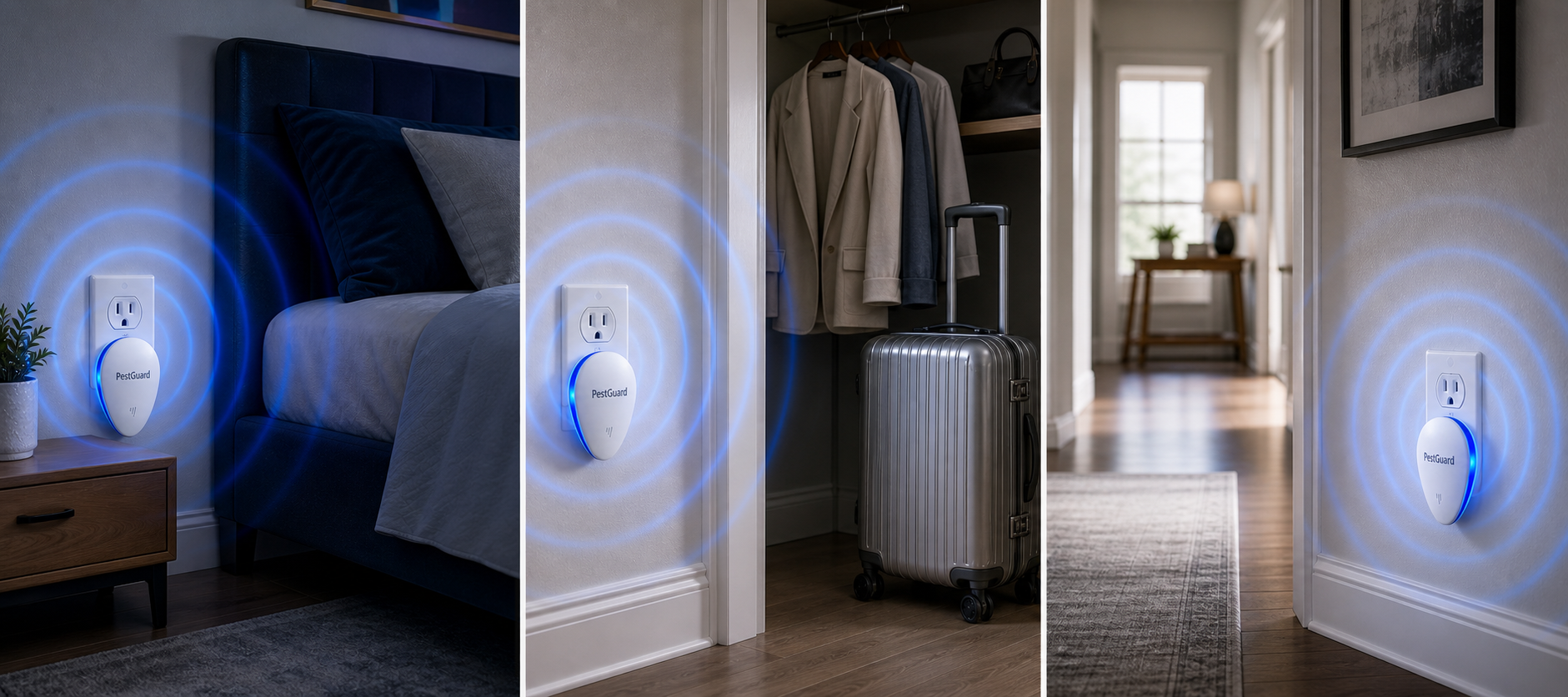
1. Start in the actual problem room If the concern is near the bed, start in the bedroom. If the concern is in the kitchen, start there. Do not make a hallway do the job of the room where the issue is happening.
2. Keep the outlet open Do not hide the unit behind heavy furniture, curtains, beds, cabinets, or crowded adapters. A “plugged in” device can still be poorly placed.
3. Leave the setup alone long enough to judge it Moving the unit every few hours only creates noise. Choose the best location, keep it running, then watch the same room for several days.
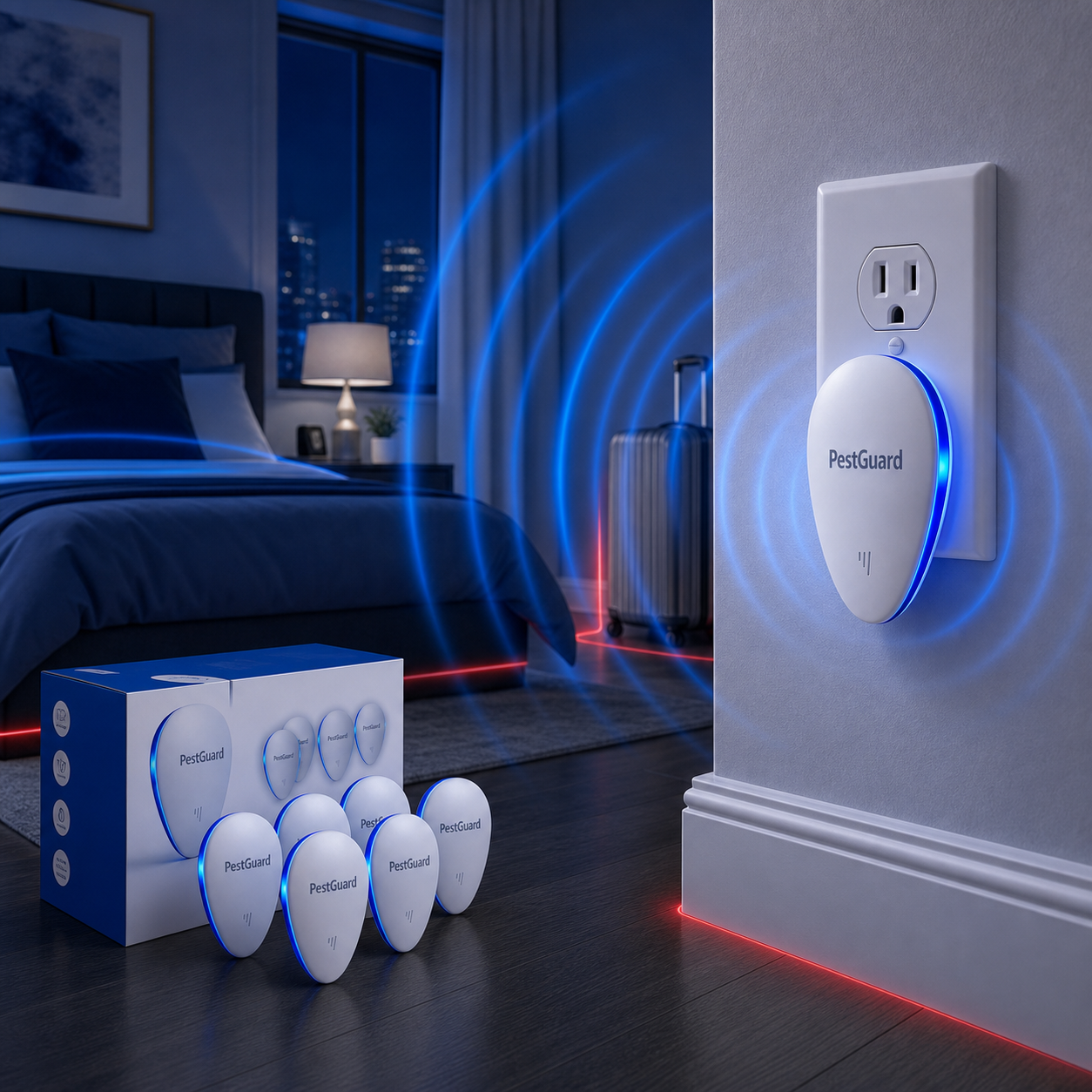
4. Add coverage by room If the concern is in more than one room, one hallway unit is usually not the right setup. Treat each room or problem zone separately.
CHECK PESTGUARD ROOM COVERAGE OPTIONS
Choose based on how many rooms need support — single room, apartment coverage, or multi-room setup.
Where PestGuard fits in the routine
PestGuard is not positioned as a magic overnight exterminator. That is exactly the wrong promise for a serious bedroom concern.
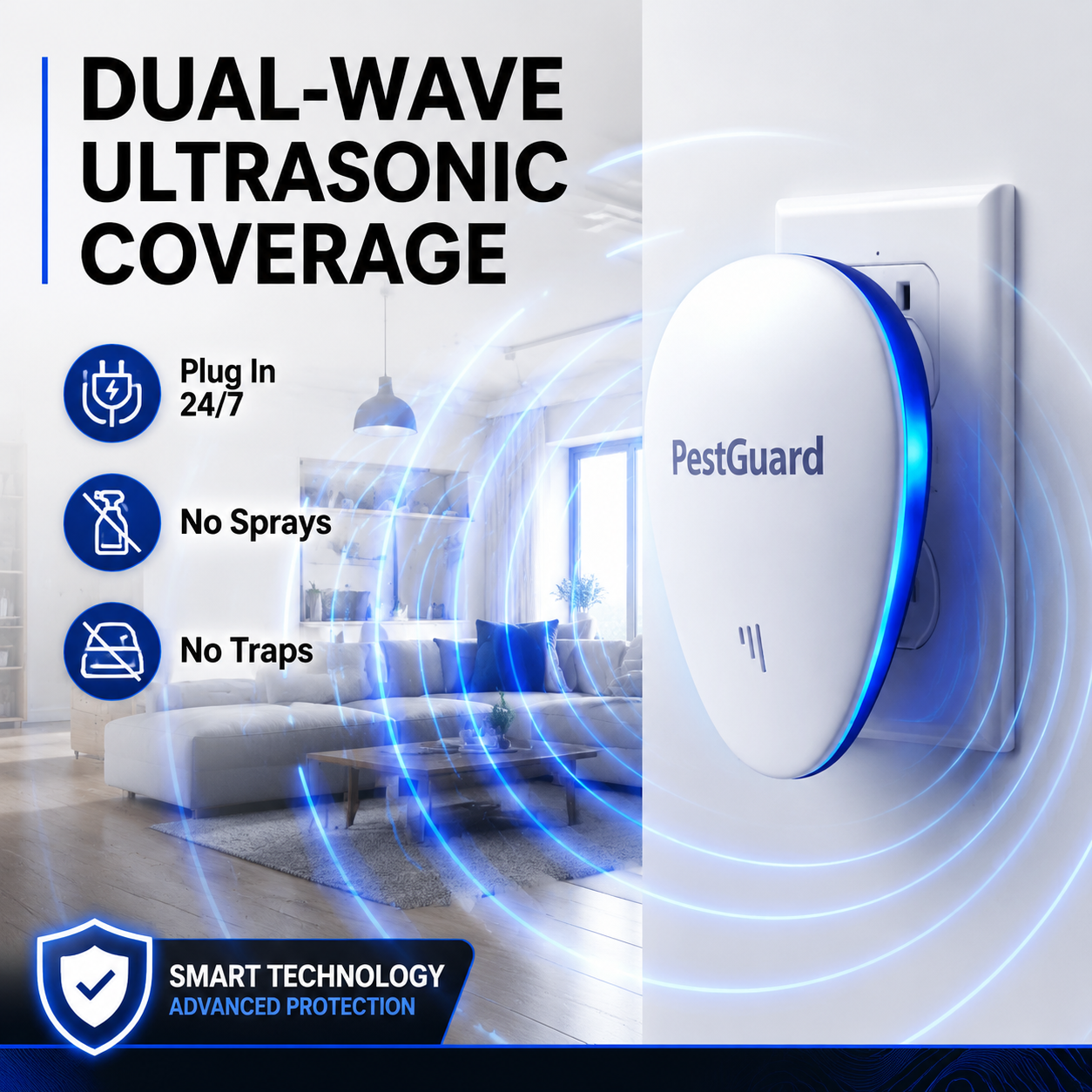
The useful role is more specific: a simple plug-in support device that can stay running continuously in the room where the concern actually happens.

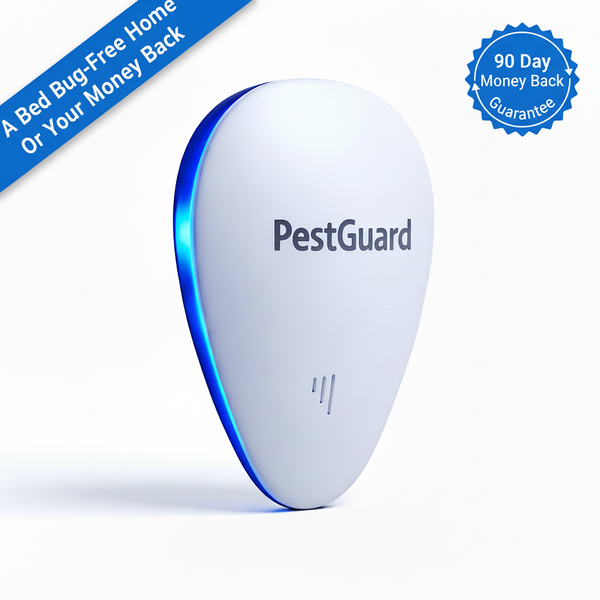
PestGuard is made for people who want a lower-hassle way to support bedroom and apartment coverage without repeatedly spraying harsh chemical products around sleeping areas.
- Plug-in setup
- No harsh chemical smell
- Designed to stay running continuously
- Best used room-by-room with correct placement
The quick self-check before buying anything else
Before buying another bottle, another trap, or another one-off solution, ask yourself these questions:
- Is the current setup in the room where the concern actually happens?
- Is the outlet open, visible, and not blocked?
- Are you expecting one device or one treatment to cover several closed rooms?
- Are you changing the setup so often that you cannot tell what is helping?
- If the issue is severe, are you combining support methods instead of expecting one device to do everything?
If several answers are “no,” the next move is not more panic. The next move is a cleaner room-by-room setup.
PestGuard vs. Common Pest-Control Options
| Method | Best for | Limitation |
|---|---|---|
| Sprays | Visible contact treatment | Temporary, repeated use, chemical smell |
| Sticky traps | Monitoring activity | Only catches what enters the trap |
| Exterminator | Severe infestations | Expensive and disruptive |
| PestGuard | Continuous room support | Works best with correct placement and enough units |
Most poor results come from wrong setup.
Before judging results, make sure the unit is in the actual problem room, the outlet is open, and the number of units matches the number of rooms involved.
What to expect after setting it up
- Day 1–3: make sure PestGuard is placed correctly and left running. Do not judge the setup after one night.
- Week 1: watch the actual problem room. Avoid moving the unit constantly unless the outlet is clearly blocked or too far from activity.
- Week 2+: if activity is spread across multiple rooms, add room-by-room coverage instead of moving one unit around the home.
Realistic expectation: PestGuard is not an overnight extermination promise. For severe infestations, use it as part of a broader plan that may include cleaning, sealing, traps, or professional help.
Who this makes sense for
- You want a simple plug-in support option for a bedroom or apartment.
- You do not want to keep spraying harsh chemical products around sleeping areas.
- You understand that placement and enough room coverage matter.
- You are trying to reduce the nightly inspect-clean-spray-repeat loop.
Who should not rely on this alone
If you are seeing heavy activity, repeated bites, visible nesting, or signs across multiple rooms, do not treat any plug-in device as a complete one-step solution. Use PestGuard as part of a broader plan: cleaning, sealing, traps, laundering, monitoring, and professional help when needed.
Check PestGuard Availability
Choose the setup based on how many rooms need coverage: one room, apartment coverage, or multi-room protection.
CHECK TODAY’S PESTGUARD OPTIONSFrequently Asked Questions
Where should I plug PestGuard in?
Start in the room where activity or concern is happening. Keep the outlet open and avoid hiding the unit behind furniture.
Do I need more than one unit?
If more than one room is involved, use one unit per room or problem zone. One hallway unit is usually not enough for multiple closed rooms.
Should I stop cleaning or using other methods?
No. Cleaning, reducing clutter, laundering bedding, sealing entry points, traps, or professional treatment may still be needed depending on severity.
Is it safe around kids and pets?
PestGuard is designed for home use and does not spray harsh chemicals. Always follow product instructions and keep outlets safe and unobstructed.
What if I already have a severe infestation?
Use PestGuard as part of a broader plan. Severe infestations may require cleaning, sealing, traps, or professional pest control.
What is the return policy?
Orders are backed by PestGuard’s satisfaction policy. Check the product page for current guarantee and return details.