Best mouse trap · room-by-room comparison
The “Best” Mouse Trap Depends on One Question Most Packages Never Ask.
A trap that is effective in a locked utility room may be the wrong choice beside a child’s breakfast table. Start with the route, the household, and how you will confirm the result.

For many homes, a correctly placed snap trap is the clearest starting point because it offers direct removal and visible confirmation. The safest and most practical design depends on the room, household access, and how often you can check it.
The trap aisle makes the decision look simple: stronger spring, faster claim, cleaner box. But the package cannot see your kitchen, the dog that noses under cabinets, or the narrow wall line where fresh droppings actually appeared.
That is why “best” should mean the best fit for a known route and a real household—not the device with the biggest promise.
The best trap is the one you can place safely on the active route, check consistently, and pair with exclusion.
Compare the Main Mouse-Trap Types
| Option | Best role | Confirmation | Important limit |
|---|---|---|---|
| Classic snap trap | Direct removal on a confirmed route | Immediate and visible | Exposed mechanism requires protected placement. |
| Enclosed snap trap | Direct removal with more shielding | Usually visible through an indicator or inspection | Still must be kept inaccessible to children and pets. |
| Electronic trap | Enclosed removal with a status signal | Indicator varies by model | Higher cost; requires power or batteries and routine checks. |
| Live-catch trap | Capture without killing at the trap | Animal is visible | Must be checked often; release and re-entry remain problems. |
| Glue board | Low-cost monitoring or capture | Visible | Animal-welfare and exposure concerns make it a poor default choice. |
| Protected bait station | Label-directed rodenticide option | Often delayed or indirect | Poison risk and carcass location require strict label compliance. |
Pick the Room Before You Pick the Mechanism
Placement Is More Important Than Adding More Traps
Mice often travel along edges and use cover. The evidence map from your initial inspection should guide placement. Follow the trap instructions, keep the mechanism out of reach, and use a fixed check schedule. A trap forgotten behind an appliance cannot give you useful confirmation.
Record the date, location, bait or setup, and result. If one location stays quiet while new signs appear elsewhere, the lesson is not automatically “buy a stronger trap.” It may mean the travel route was mapped incorrectly or a second entry point remains open.

The end point is no fresh droppings, gnawing, scratching, or sightings after active removal and sealing—not simply one successful trap night.
The Trap Removes the Mouse. The Repair Protects the Result.
CDC guidance emphasizes sealing openings and removing food and shelter. Without that work, another mouse can use the same gap. Inspect every pipe penetration, worn door edge, vent, foundation crack, cabinet void, attic line, and garage transition that connects the room to the outside or another concealed space.
After a capture, use safe cleanup procedures. Do not sweep or vacuum dry droppings or nesting material. Heavy contamination, repeated captures, or evidence in inaccessible areas justifies professional help.
What About Ultrasonic Mouse Repellers?
An ultrasonic device cannot provide the capture confirmation a trap provides. Regulators and university extension sources have challenged broad efficacy claims in this category. If you try one, make it an optional room layer and keep sanitation, exclusion, trapping, and monitoring in place. Read the PestGuard room-by-room test with those limitations in mind.
Questions People Ask Before They Act
What is the best mouse trap for most homes?
A correctly placed snap trap is a common starting option because it provides clear capture confirmation. The best choice still depends on household access, the active route, cleanup preferences, and the ability to check it often.
Are live-catch traps better?
They avoid killing at the capture point, but they must be checked frequently and do not solve entry gaps. Released mice may return if exclusion is incomplete.
Where should mouse traps be placed?
Follow the product directions and place traps along confirmed travel edges where children and pets cannot reach them. Do not rely on random center-of-room placement.
Does a mouse trap prevent another mouse?
No. A trap removes an animal; exclusion, sanitation, and monitoring reduce the chance that another animal uses the same route.
Sources Reviewed September 17, 2026
- EPA: Options for dealing with rodent infestations
- EPA: About rats and mice
- CDC: Seal up to prevent rodents
- CDC: Clean up after rodents
This guide is educational and is not a substitute for a pest-control professional, product-label directions, or public-health advice for a specific property.
Continue the PestGuard Home Report
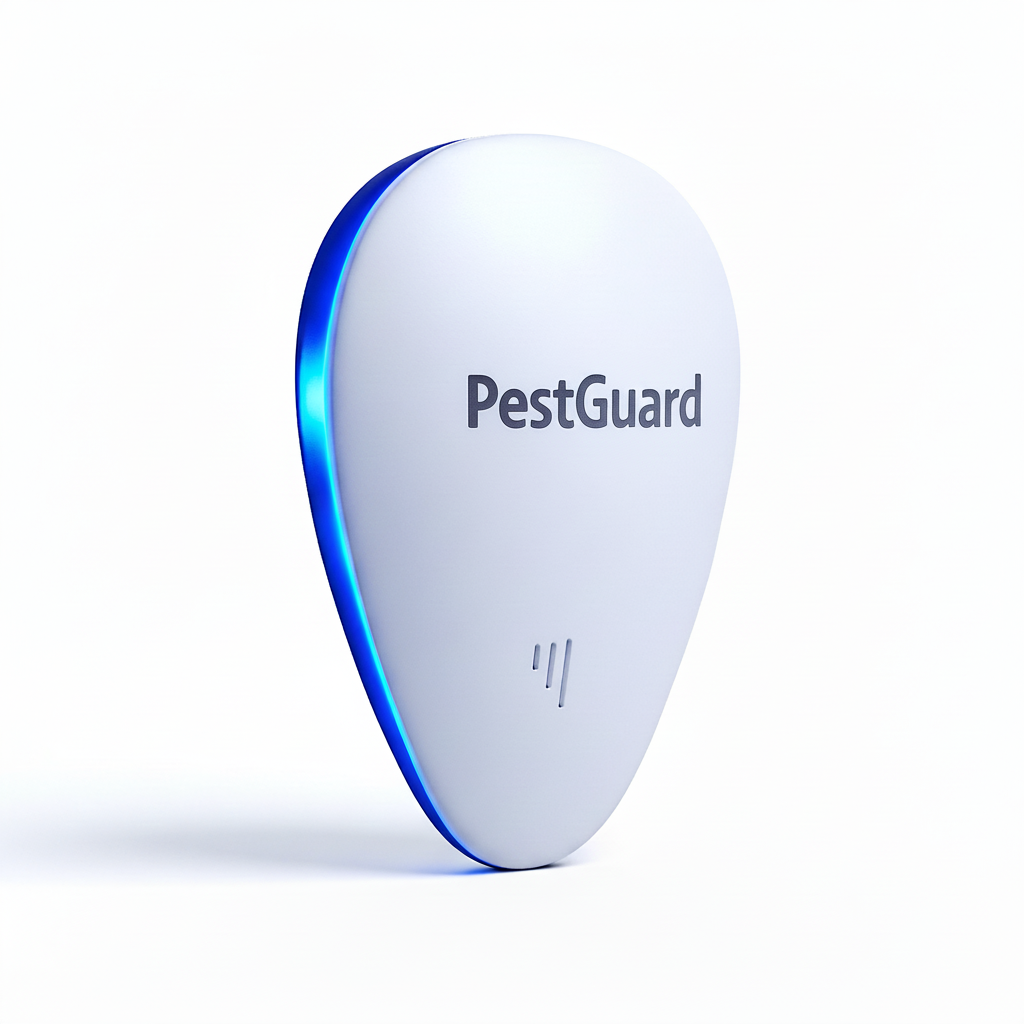
Where PestGuard Fits—and Where It Does Not
PestGuard is a plug-in, no-spray room layer. It is not a trap, contact pesticide, or substitute for sealing entry points and removing an active infestation.
- Use it in an open outlet in the specific room you want to monitor.
- Keep sanitation, exclusion, trapping, and label-directed treatment in the plan.
- Judge the result by new signs over time, not by the blue power light.

Try the Room Plan for Up to 90 Days
Choose the pack by the number of rooms you plan to cover. Current pricing and the complete money-back policy are shown on the official product page.